GenAI, Babylon, and Minions
I remember my first experience with a generative AI chatbot. It was the Fourth of July 2024 and the hot dog eating contest was on TV. I'm a fan of creative data visualization, so I asked ChatGPT to build me a dataset of competitors' scores that I could bring into Tableau to build something cool. As I'd expected, it hallucinated some competitors, got some numbers wrong, and generally failed. I laughed it off and stayed a skeptic for the next 18 months.
But at the beginning of 2026, something changed. My friends and coworkers insisted that a threshold had been crossed and AI was, well... good.
Since then, I've seen the highs and lows of the AI revolution. I've vibe-coded an inventory app for our screen printing shop, dealt successfully with multiple minor medical problems, cleaned datasets with unimaginable speed, and used APIs to do things that hadn't felt possible for me. On the flipside, I've seen too many friends laid off, watched markets and stores fill with AI-generated slop, and watched my workdays change into a pattern where I often feel like the toy drinking bird Homer Simpson used to do his job in Season 7, Episode 7, but I'm hitting "Enter" repeatedly in Terminal instead of the "Y" key on Homer's keyboard. And, as an ex-academic, I used to use the em dash all the time, but now I can't because people will think I'm not doing my own writing.
In short, I'm more productive than ever, but I'm also pretty sad about how the industry has evolved. And the cloud of sadness and anxiety hanging over the analytics and data science communities isn't getting any thinner.
Film is one of my sources of joy when things feel tough. Earlier this summer, I took my kids to see Minions & Monsters (an unexpected blast), which inspired me to rewatch a personal favorite, Damien Chazelle's Babylon (2022). Babylon is a beautiful mess of a film that chronicles the early days of Hollywood through the stories of several related characters, including the transition from silent film to the "talkies."
One of the anchors of the film is Jack Conrad, played by Brad Pitt. Jack is a silent film megastar. But as films with sound take over, Jack's acting falls out of style. His voice doesn't sound good when recorded and the emotional expressions that drove silent films don't work with his flat dialogue. His career and personal life collapse. And during my Bablyon rewatch, Jack's story hit harder than ever. As an expert in traditional BI work, am I like a silent film actor in 1929? And how do I make sure my ending is happier than Jack Conrad's?
See, I'd like to think I bring a lot of things to the table, but my "schtick" in my career often involved being an extremely fast builder. Whether it's Iron Viz, or Tableau community projects, or my day jobs, I can build fast, efficient, replicable stuff. But no amount of practice will make me faster than typing a request into a chatbot. And those Tableau Desktop hacks that became a common language among veteran developers? A vibe-coded .png or even .html file doesn't need those hacks.
I think my dashboards also look pretty good! But as I've said in many presentations over the years, there is a science behind the art of data visualization that will get you pretty far in building products others think look great. And that science we used to be proud to understand has been subsumed into AI models, while each of our unique styles and preferences can be captured (albeit imperfectly) in a .md file. Suddenly, those AI-generated graphs start looking pretty good, too.
A friend asked me the other day how I still find joy in my work when AI threatens to overrun the very types of creativity and problem-solving that inspired so many of us to devote our careers to this field. And I'm not sure I had a great answer. I talked about how I still find joy in ideas, and even if the joy of being a great-graph maker has been replaced by machines that build those graphs for us, I can still take pride around coming up with interesting projects and seeing them through in a useful way.
My ideas still make me proud. I still love data visualization, and I still think there's room for creativity and innovation in that space, maybe more than ever. But innovation in 2026 and moving forward is going to look very, very different. And I don't think it's healthy to pretend that our industry is feeling not just sadness, but also grief at a way of working that's slipping away.
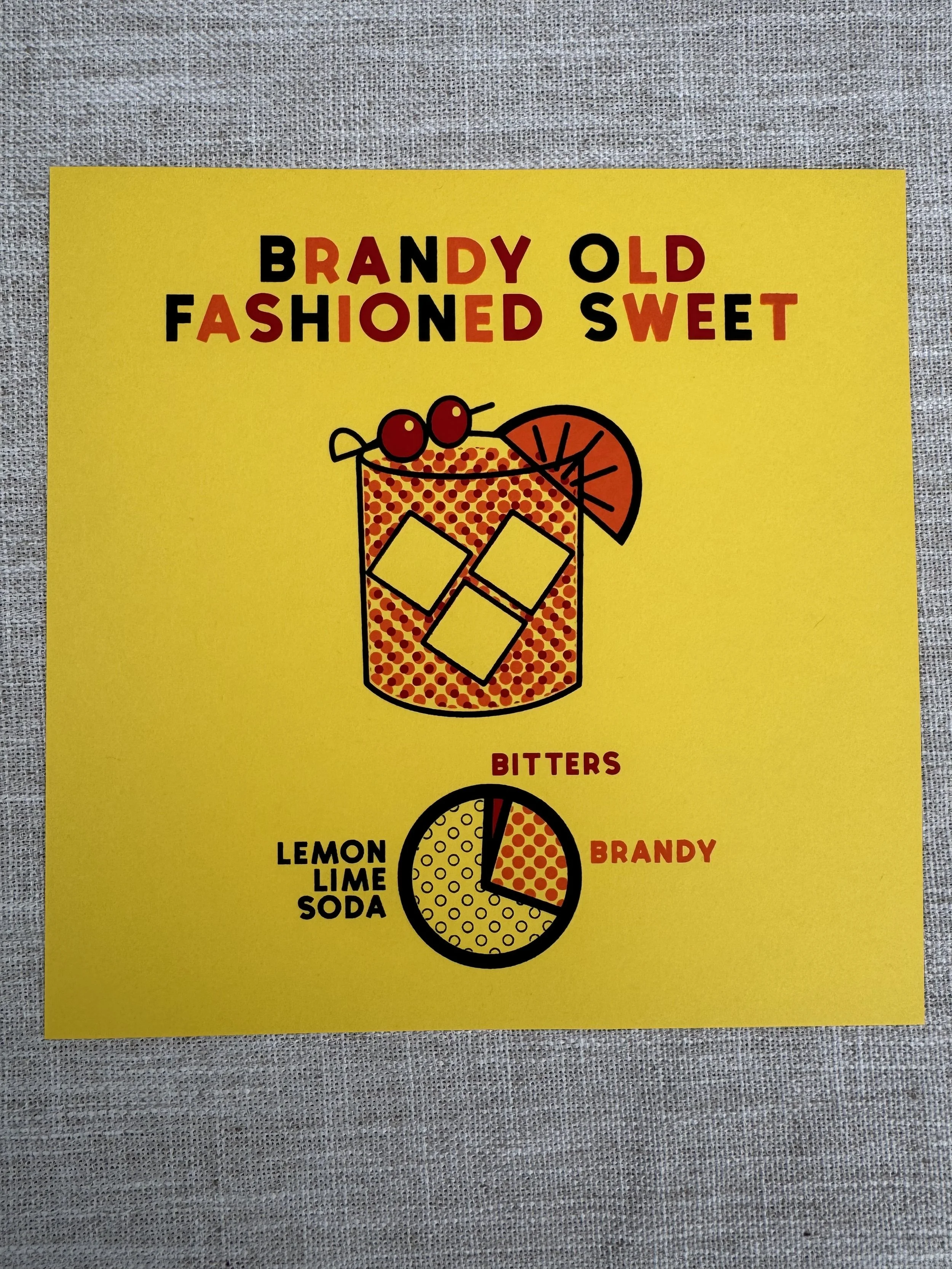
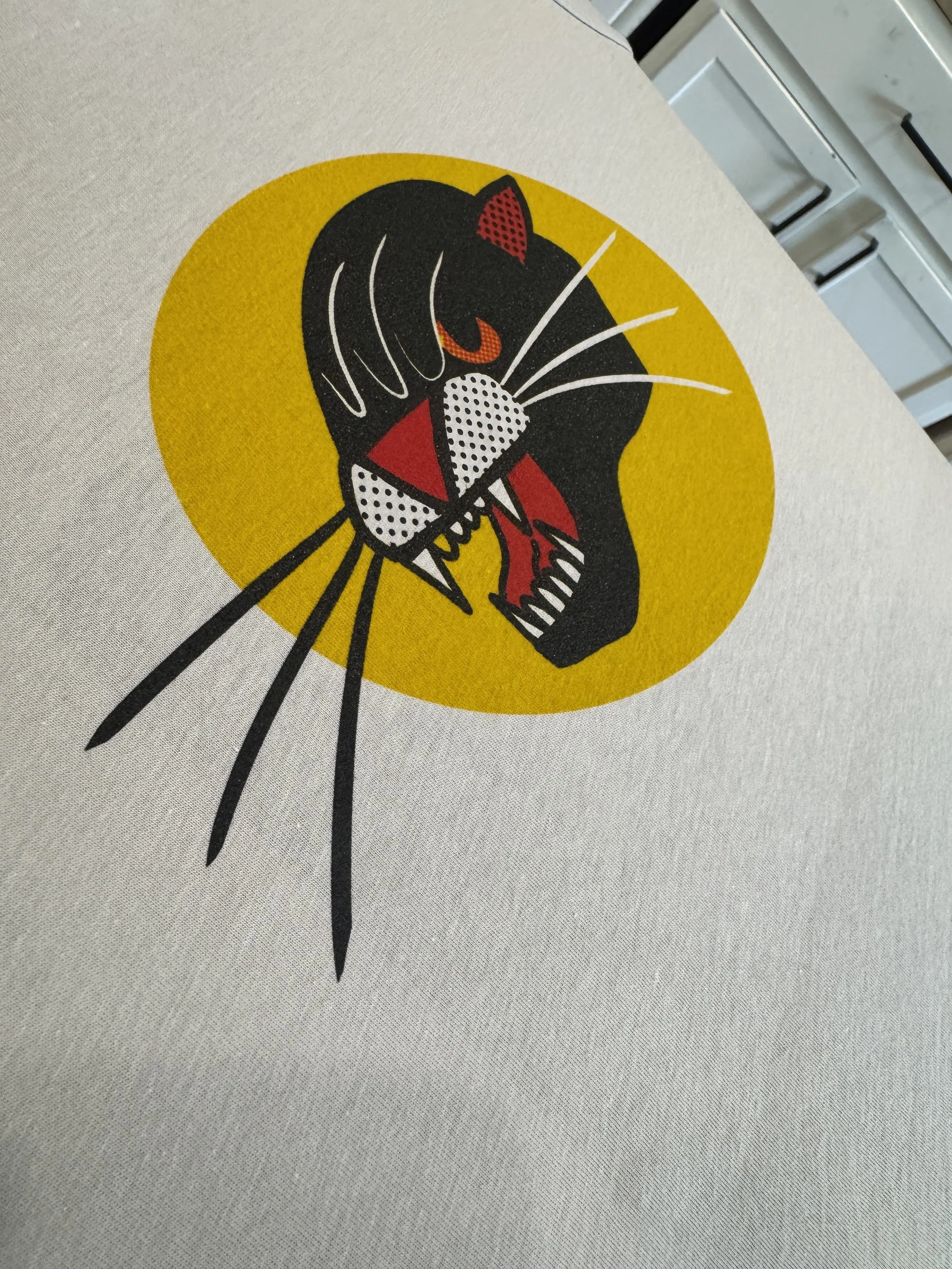
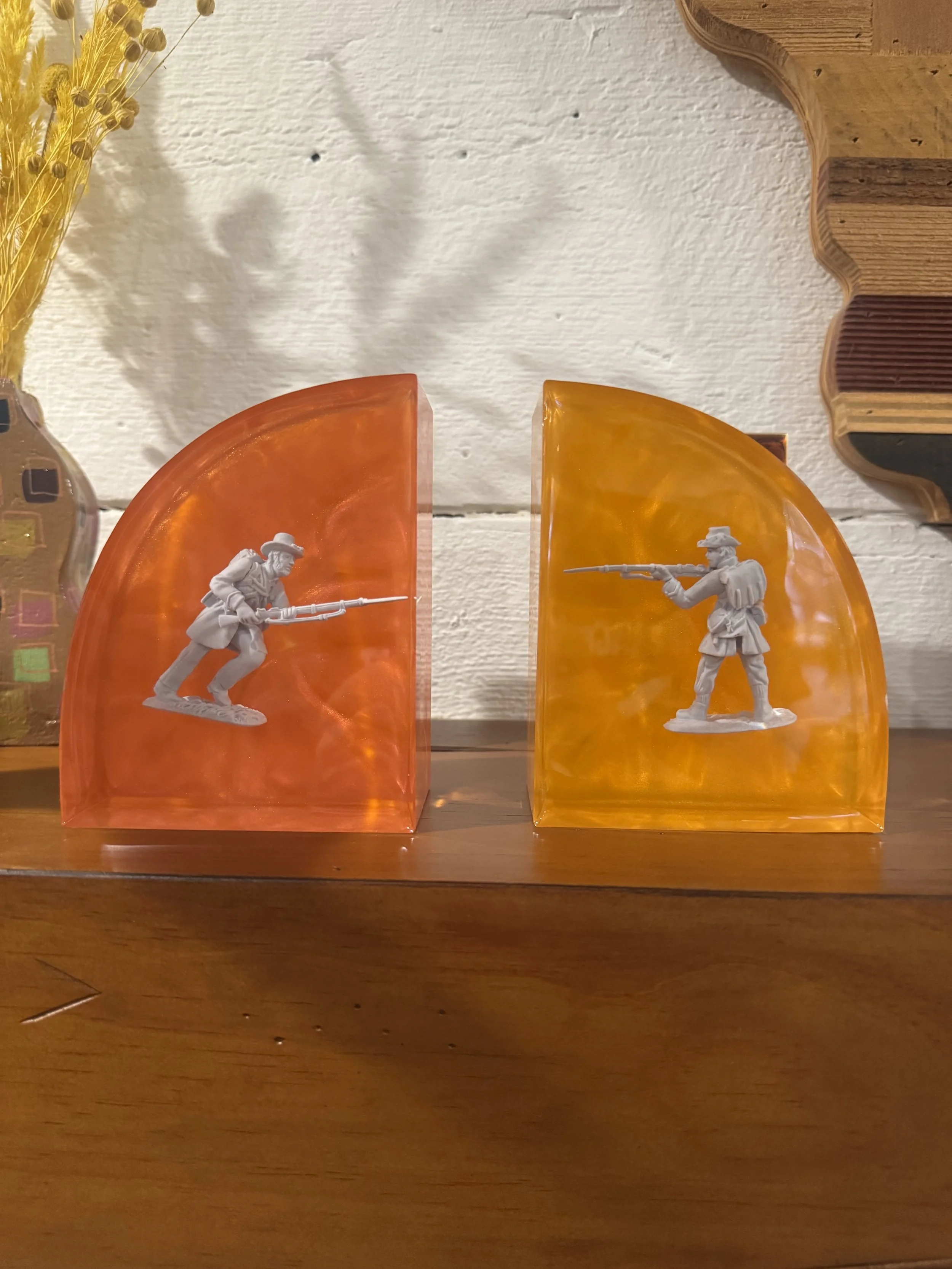
The image that accompanies this article shows four of the data tarot card designs I made a few years ago, which became one of my favorite screen printing projects. These days, I'm doing more screen printing. I'm revitalizing my "Bar Graphs" series of cocktail prints, experimenting more with paper, and even drawing a little bit. I'm keeping the humanity and creativity in my non-data hobbies and hoping the spark from those projects seeps fully throughout my career again. And I'm getting my hands dirty moving ink around - a wonderful change of pace after prompting agents. (No, I didn't use AI on this piece. That dash was all me). I even learned to make bookends to highlight some of my favorite toy soldiers (lower right).

Today, I'm flying to Seattle for the Tableau Visionary Summit. With any luck, I'll come back with even better answers to the question of where we still find joy.
Babylon showed us Jack Conrad's tragic end. But Minions & Monsters showed a similar story with a very different result. The minions had an awkward transition from silent films to talkies, too, but they pivoted and became Hollywood legends. I never thought I'd say this, but I hope I'm like a minion.